Critique: When Ball Really Is Life

Recently, I read an article entitled When Ball Really Is Life by Amna Subhan.  The piece touched a special place in my heart; like Subhan, I too am the daughter of immigrant parents. Subhan’s piece begins in 1980’s America and takes the reader on a journey through time. She skillfully details how the simple sport of basketball brought comfort and normalcy to her Pakistani father as he started his new life in America.  

I strongly related to her story as my own father had also used basketball as a crutch; he had been fans of the same teams and players mentioned in Subhan’s piece. As I read, Subhan’s writing stirred the pot of nostalgia, bringing back fond memories of my childhood and how my father would religiously watch the games, just like her dad. It made me feel compassion for what both of my parents went through in their decision to move to America from their comfortable homes in India. It reminded me of their sacrifices for their children, and also reminded me of what it is possible to build in a country like America if you are a hard-working individual.

The goal of this piece was to create a hook and theme that is weaved throughout the entire piece. This is something that I feel Subhan accomplished. With her simple lines, “The year was _____,” she engages the reader with the passage of time, all the while making the reader wonder, “What will happen in the present?” The hook allows her to establish a good pace for the piece, and push time along with snapshots of her father’s life at different pivotal junctures. 

Although she spends much of the piece speaking about the year 1986, it is done with intention, to showcase the myriad of struggles faced by a new immigrant in this country. She shows these struggles due to differences, while also thoughtfully showing how there are hidden similarities between cultures that can provide equitable happiness (e.g. her father’s passion for sports translated from cricket to basketball.) If a person wants it badly enough, they can find comfort and acceptance anywhere.  

Subhan affectively uses her parents’ own words to develop the character of her father for this story. Through their dialogue, you learn about him as a person (i.e. he was a sportsman and doctor), what he valued (i.e. family and children), and his ethics (i.e. work discipline and loyalty). Although I felt I learned about her father’s essence, I did feel myself always asking another question.  

For example: How old was her father in 1986? What was it about “his connection of faith” that brought him to basketball? Why was it peaceful for him to watch this sport? Why did he identify with Kareem?and finally What made him continue to watch basketball even when life became, seemingly, easier?  I feel like these are natural questions that arise with a piece of this nature, and that it would shed further light on her father’s background and connection to this sport. 

This piece also had grammatical errors that, at times, made it difficult to read. Sometimes a run-on sentence or word choice made certain passages clumsy. However, these issues did not affect the overall tone of the piece.  They are easily fixed with simple edits and possible rearrangement of sentences. It is a credit to the author, that despite these errors, her piece is still highly effective at conveying the intended message. I found myself wanting to read more, and was not deterred, showing the skill in the author’s choice of subject matter and style.

The thing that surprised me the most about this piece was how Subhan took a topic that normally results in negative discussion and completely spun it into something positive. So many authors focus on the negativity of struggles faced when coming to a new country. The entire focus of this piece was on a sport, and how it became a lifeline to success and happiness. She did an exquisite job at keeping the struggle real, but not overpowering. It makes the reader have faith that her father will make it through, and that anyone facing struggles can make it through. This all culminates in the end of the piece (arguably the best part) where her father explains how he is proud to share the tradition of basketball with his children. 

“It’s important to pass it on to my kids because it was something that brought me happiness after coming here. I’m proud to see my kids enjoying it too.”
Reflections on Animal Therapy

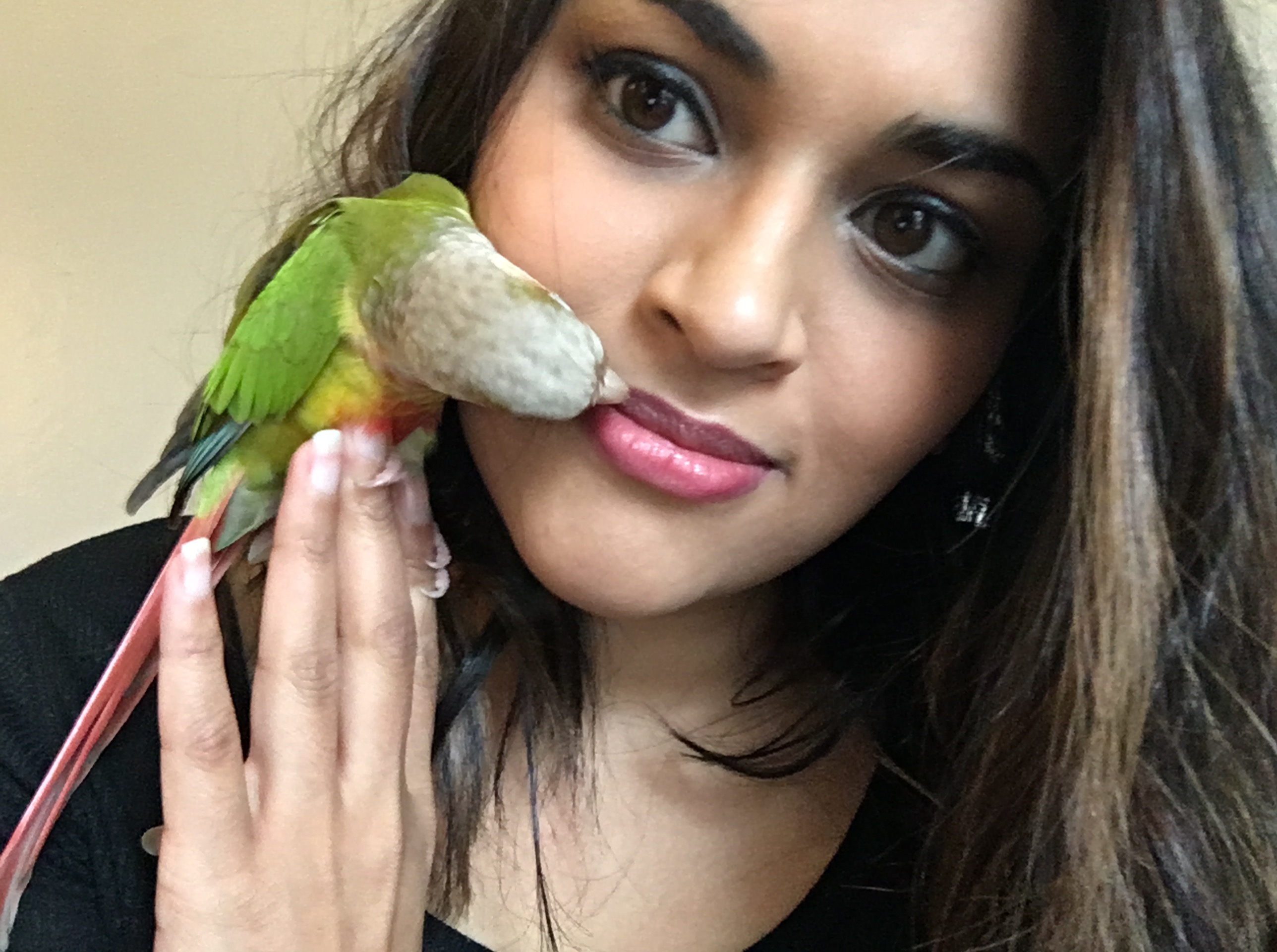
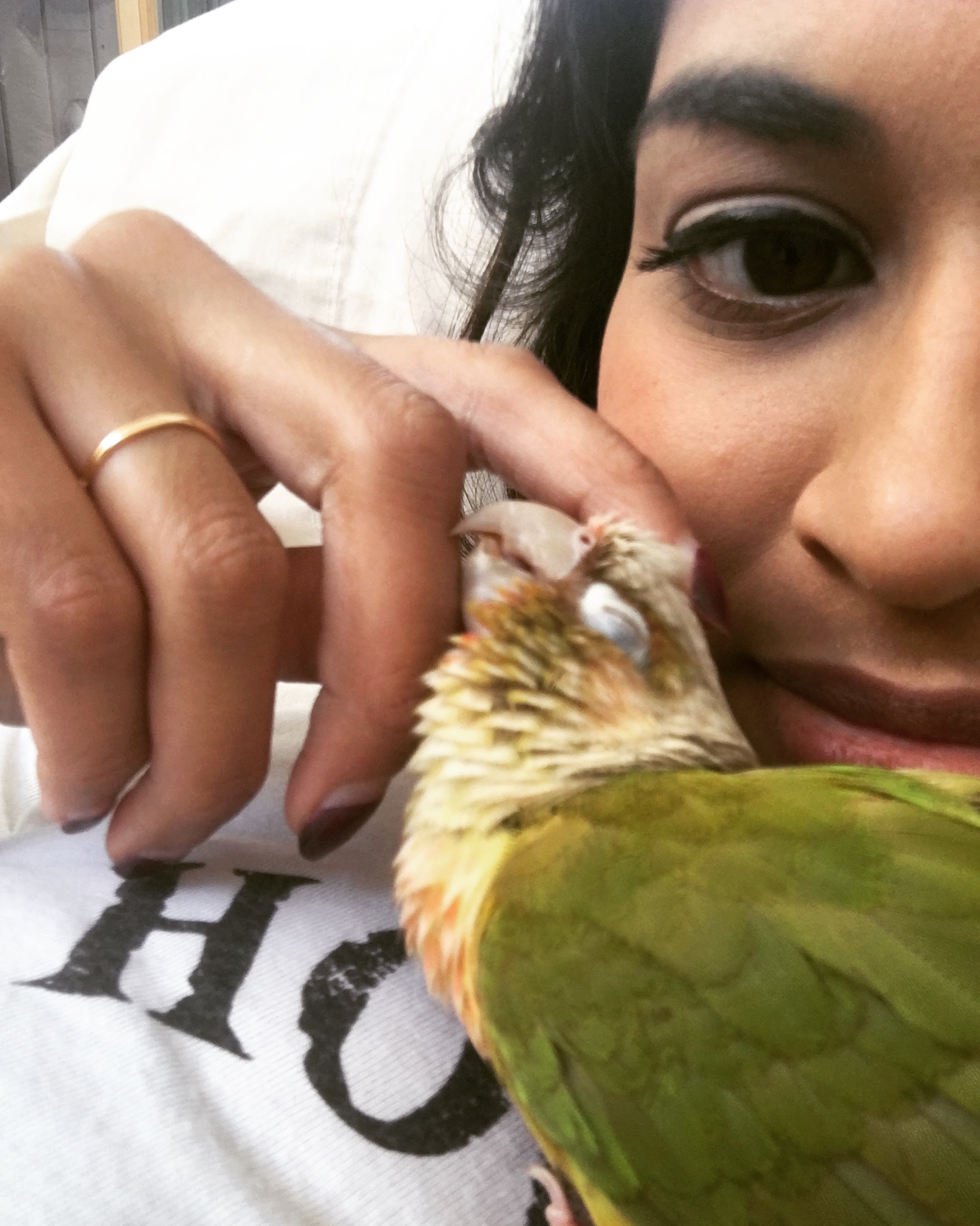
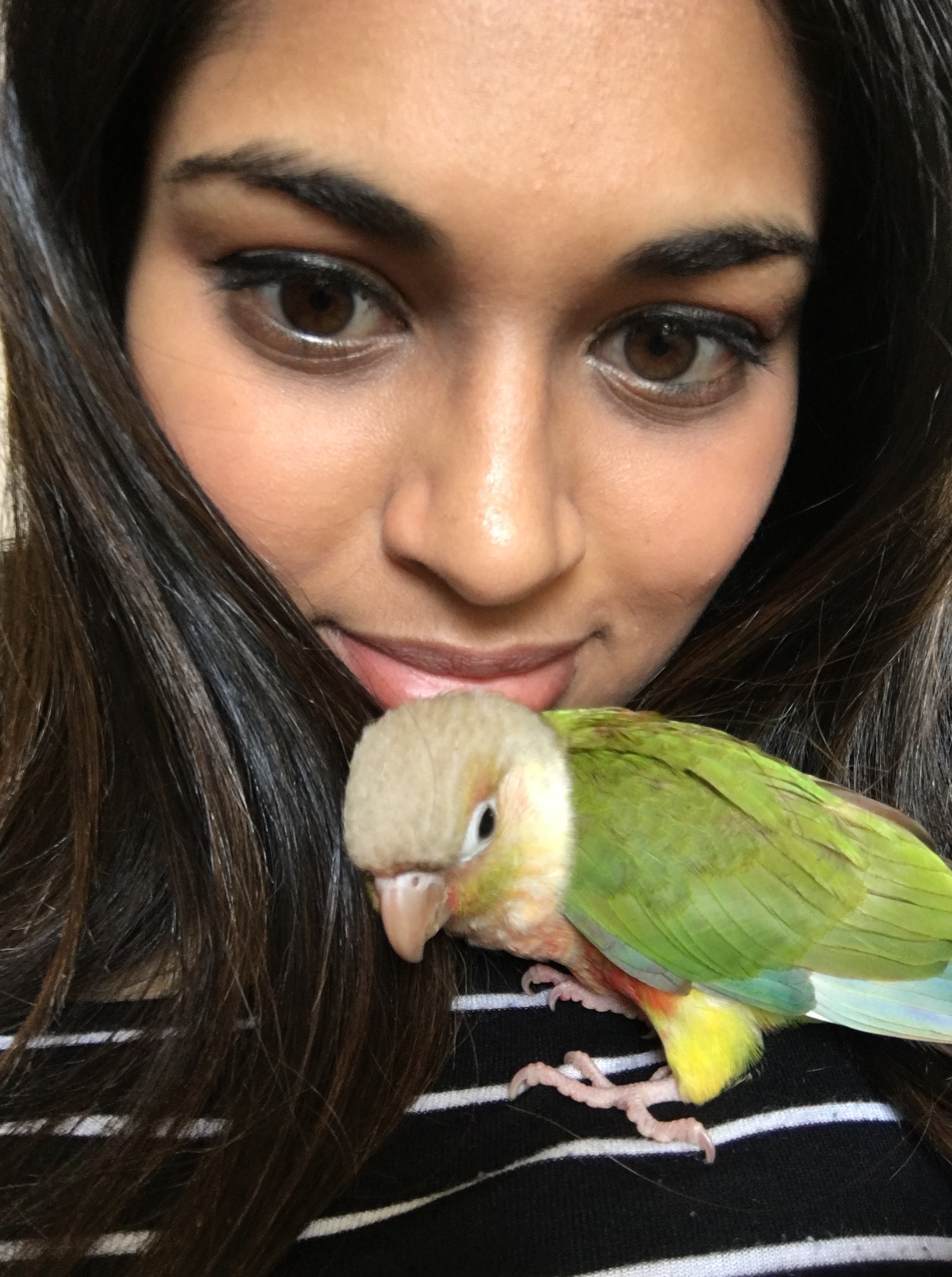
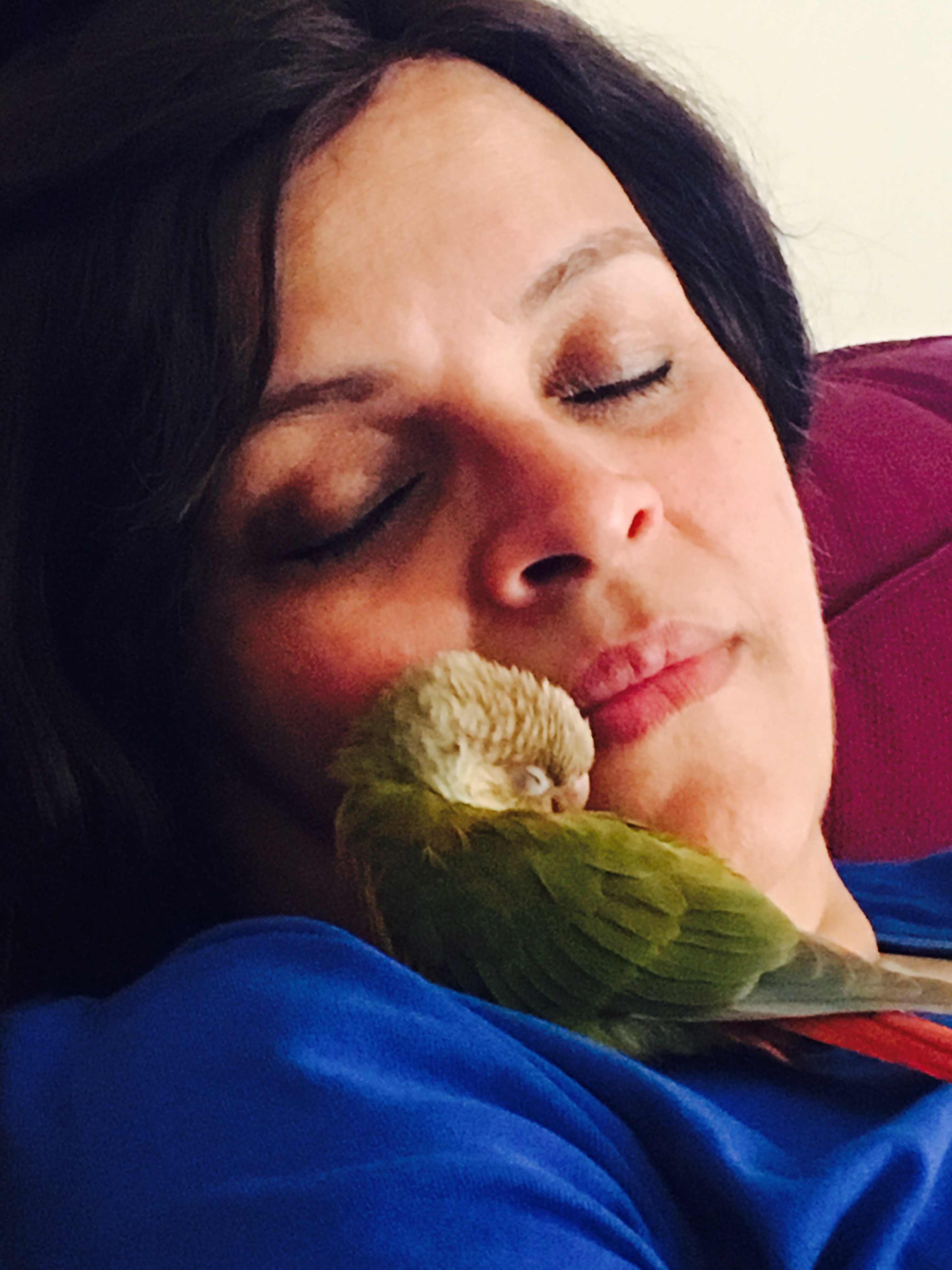
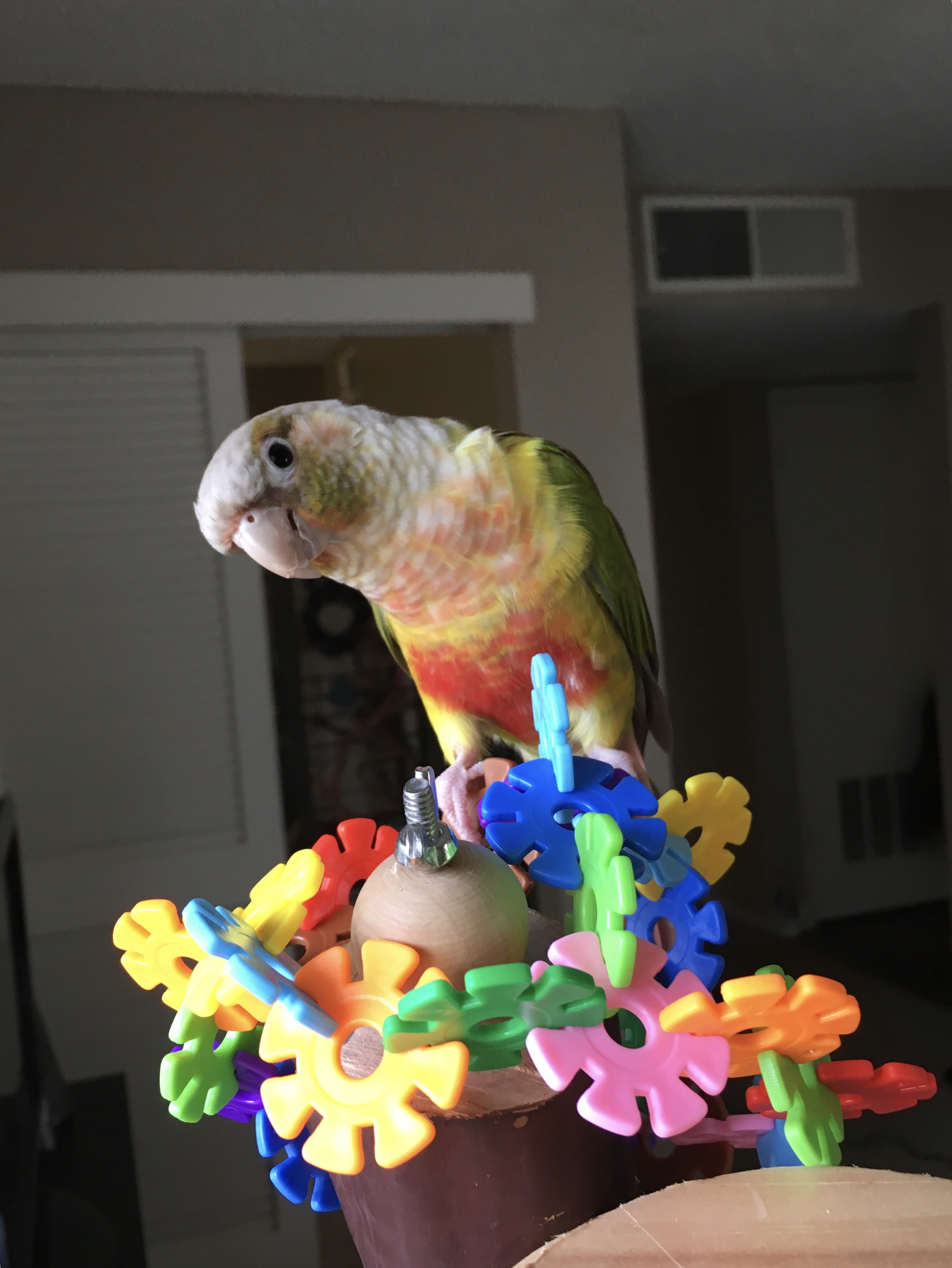
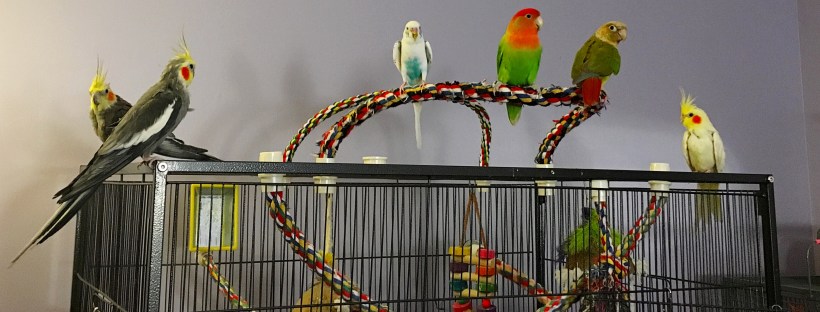
My first trial as an attorney was just weeks away. The victim in my case was only a child, and I had spent the afternoon getting to know her…coaxing her to share the horrifying story of the abuse she had suffered at the hands of the defendant. Losing this trial was not an option. I needed to regain my focus so that I could win – not only for this little girl, but to prove to myself that our justice system could, in fact, deliver justice. I needed to focus. The stress had become so significantly overwhelming that it had manifested in physical form. I could not breathe. And in that moment, my parrot Papaya was the only one who could comfort me. As I inhaled, the fragrance of her tiny feathers tickled my nose. She nuzzled me affectionately and my anxiety subsided. Animal therapy is underrated, I thought.

Since I was 8-years-old, my family always had parrots in the house. While growing up, I never gave much thought to the impact these animals were having on my life. They were family – always there for me, taken for granted, but loved with an intensity bordering on eccentric. No matter what life presented, I credited myself as being a strong individual, capable of withstanding any trial or tribulation. Though I suffered during my parents’ confusing, lengthy, and emotional divorce, it was bearable. In my youthful innocence, it never once dawned on me to give credit where it was due: to the tiny feathered beings sharing my bedroom, who provided a zone of peace and silliness. 

As the years passed, and I matured into adulthood, there came a period of time where parrots were no longer commonplace in my life. My university and law school years did not permit the time or stability required to keep a parrot. In 2015, as I approached my law school graduation, it had been three years since I had lived with any animal – the effect of this loss had begun to take its toll. Days before my last final, I received the unexpected news that my father had been admitted to the hospital, diagnosed with cancer. Across the country, I felt completely useless. Not a soul in my apartment to comfort me. Though I had always persevered through hardship, this was different. My life became a fog; I felt cold, with no idea if I was going in the right direction.

Then, one of my friends convinced me to ditch class and go play with the therapy dogs our campus had hired for exam week. In the quad, I sat across from a golden retriever named Daisy. She put her head in my lap, wagging her fluffy tail. As I ran my fingers through her silky locks, I felt the warmth of the California sun for the first time in days. It was as if Daisy was saying, “Everything’s okay.” And I trusted her. 

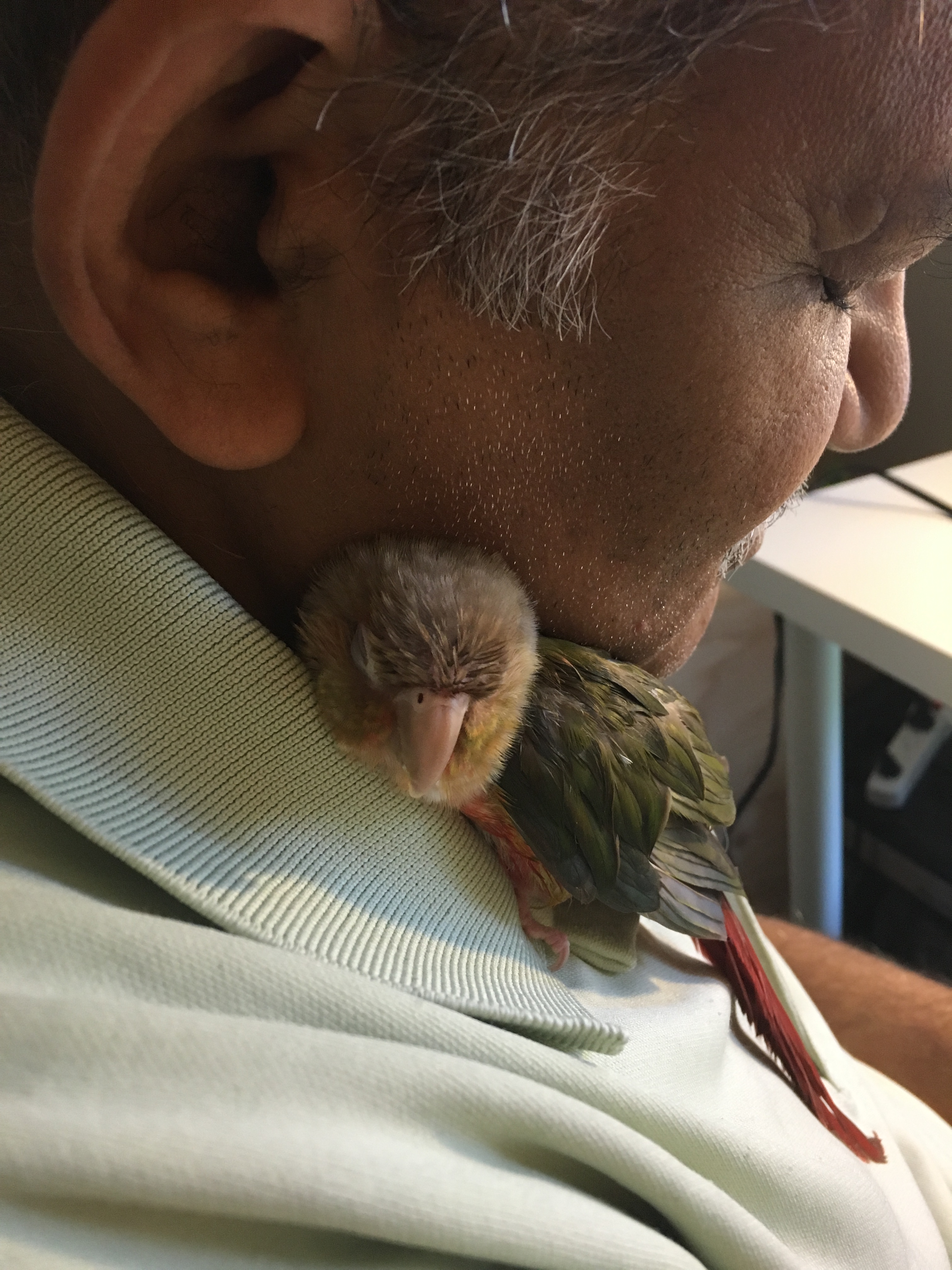
For me, the afternoon with Daisy illuminated the powerful impact that animals were having on my life. This realization was bolstered over the following years as I overcame challenges by engaging in animal encounters. Before the bar exam, I destressed by bonding with my friend’s hedgehog.  After a particularly difficult breakup, my sister’s budgie licked away my tears. Longing for my own feathered baby, I adopted my parrot, Papaya. She reduced my anxiety during the New York bar exam, guarded me through illness, comforted me during my cross-country move home, and ultimately, I grieved with her over my father’s passing. 

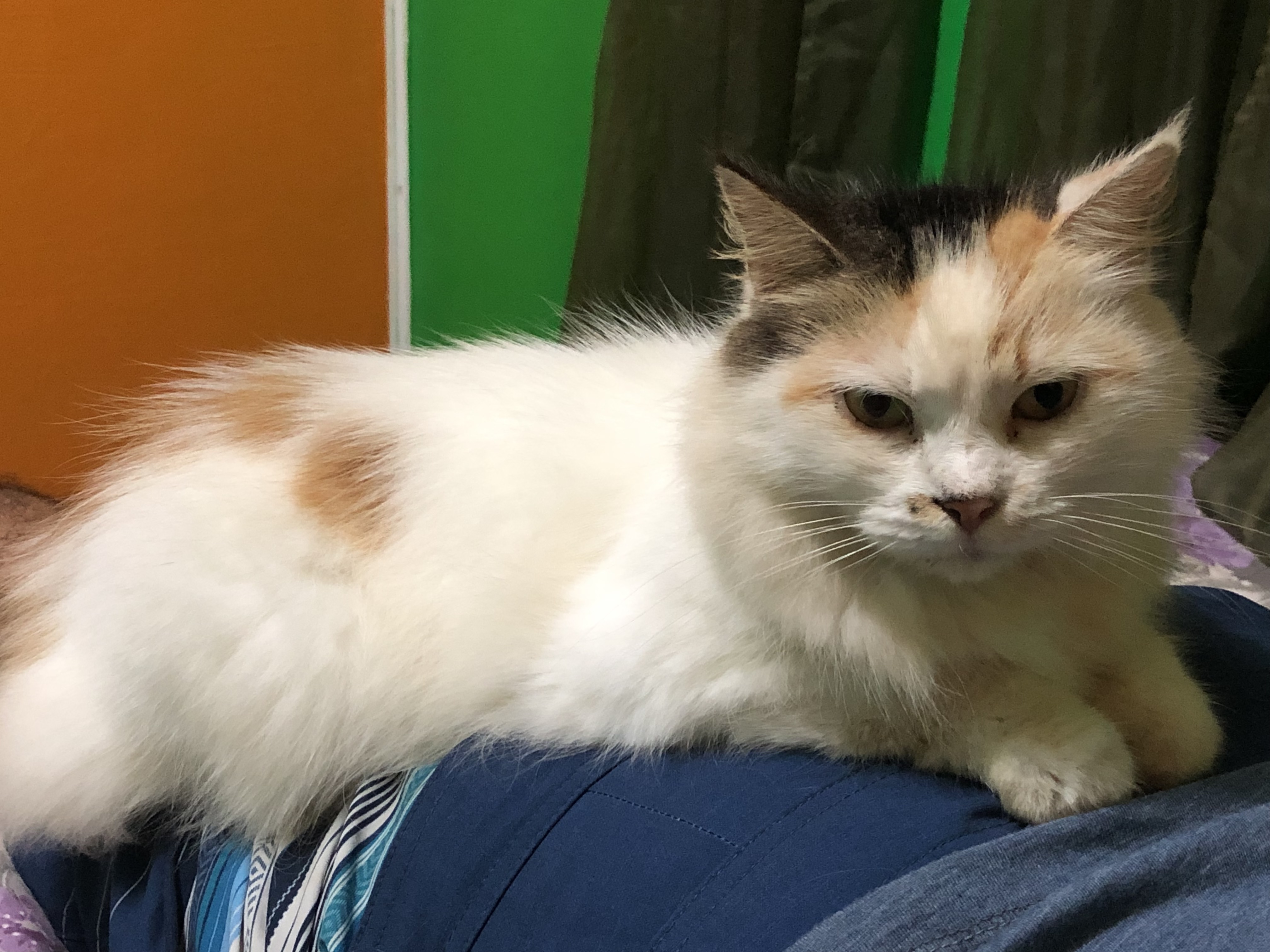
Animals were back in my life to stay. When my veterinarian boyfriend worried about an upcoming difficult work day, Pretty Cat leaped on the bed and curled up on his back. “She came because she knows I need her,” he said to me. I asked him his opinions on animal therapy based on his time working at the wildlife rehabilitation center in Costa Rica.  

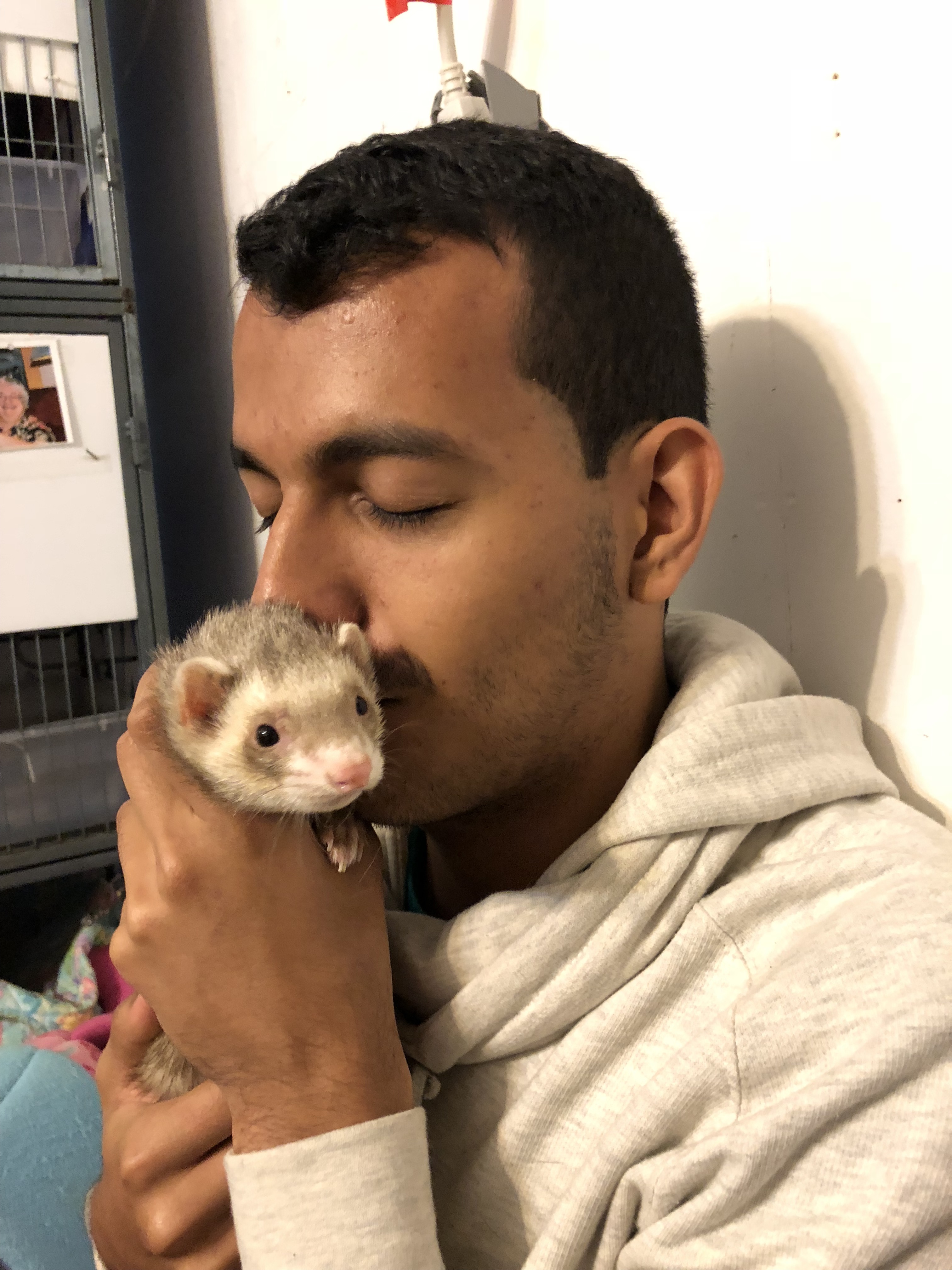
Pretty Cat comforting Josué

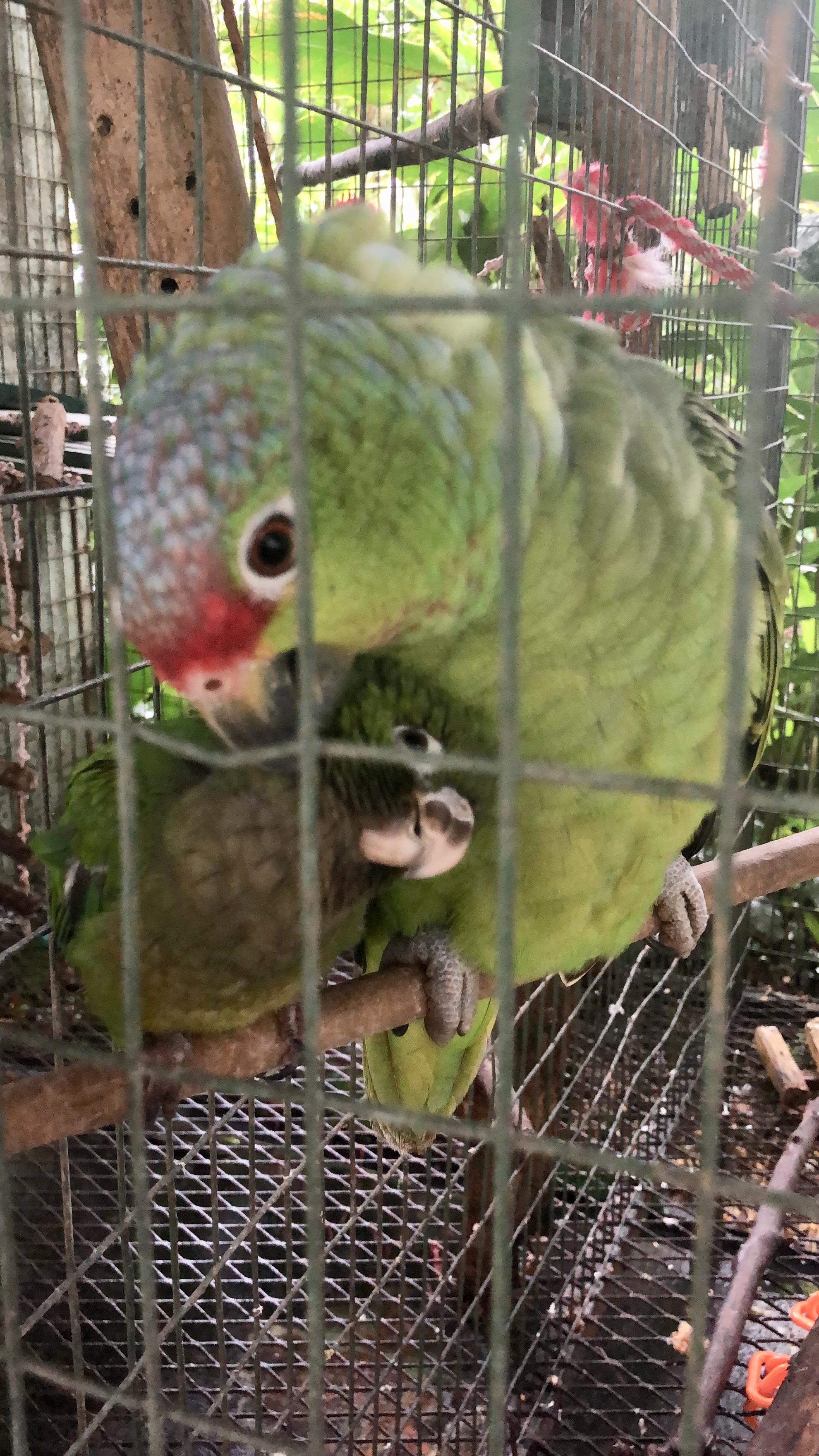
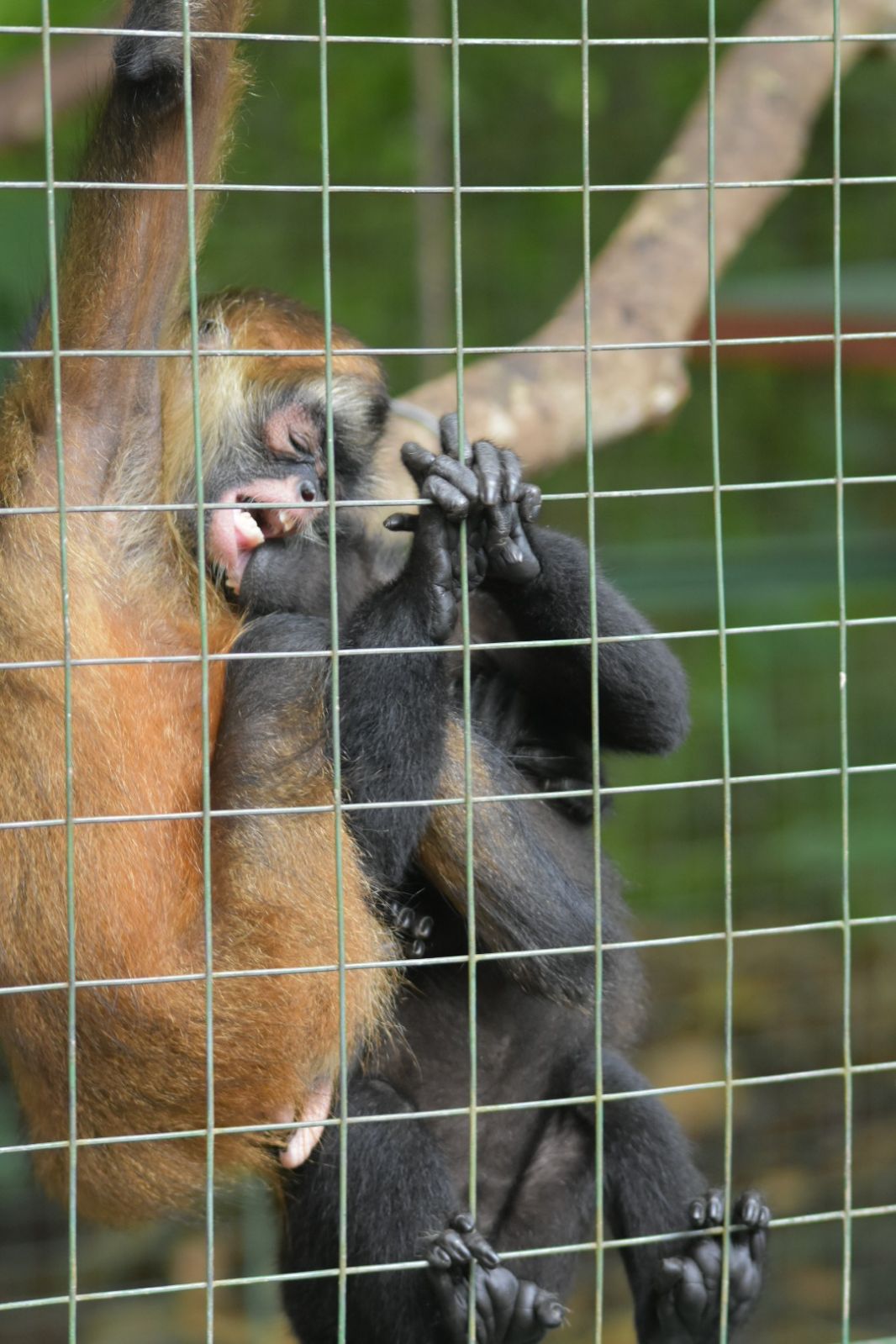
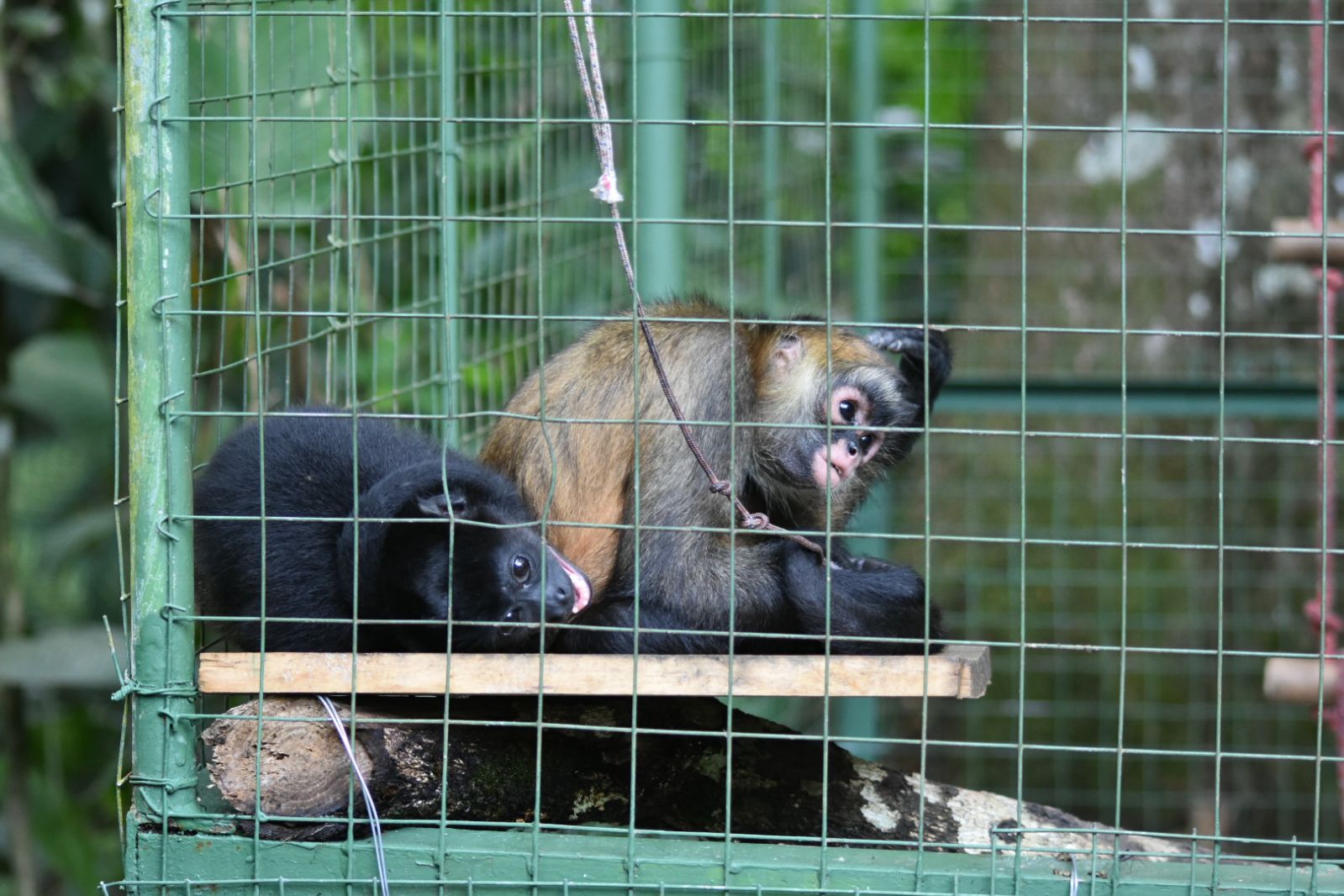
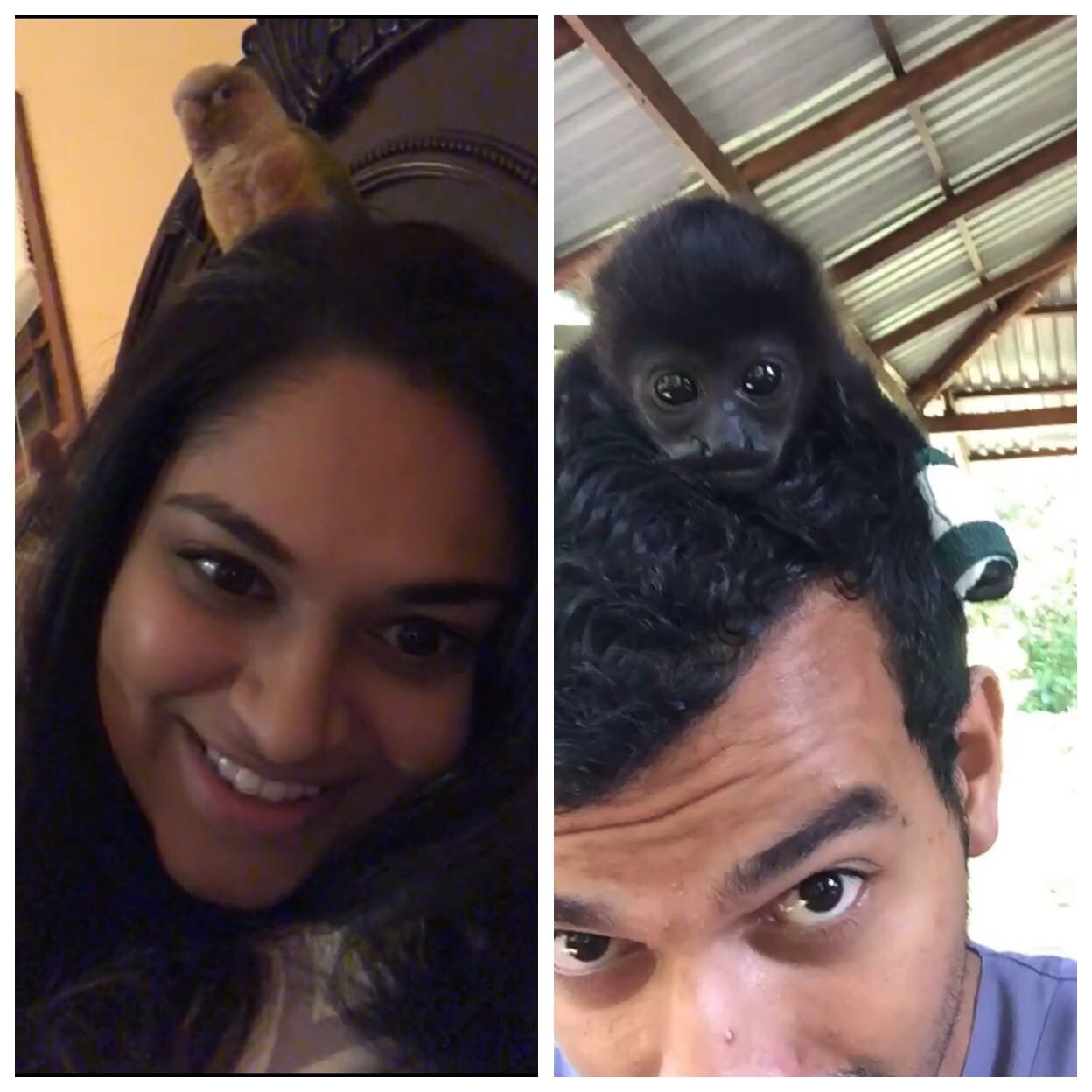
“There is definitely a link between interspecies pairings,” he said. “Look at Maggie and Congo – they are different types of monkeys, but they have gained confidence with each other’s support. The same is true for the Amazon parrot and the parakeet, and the skunk and anteater.” 

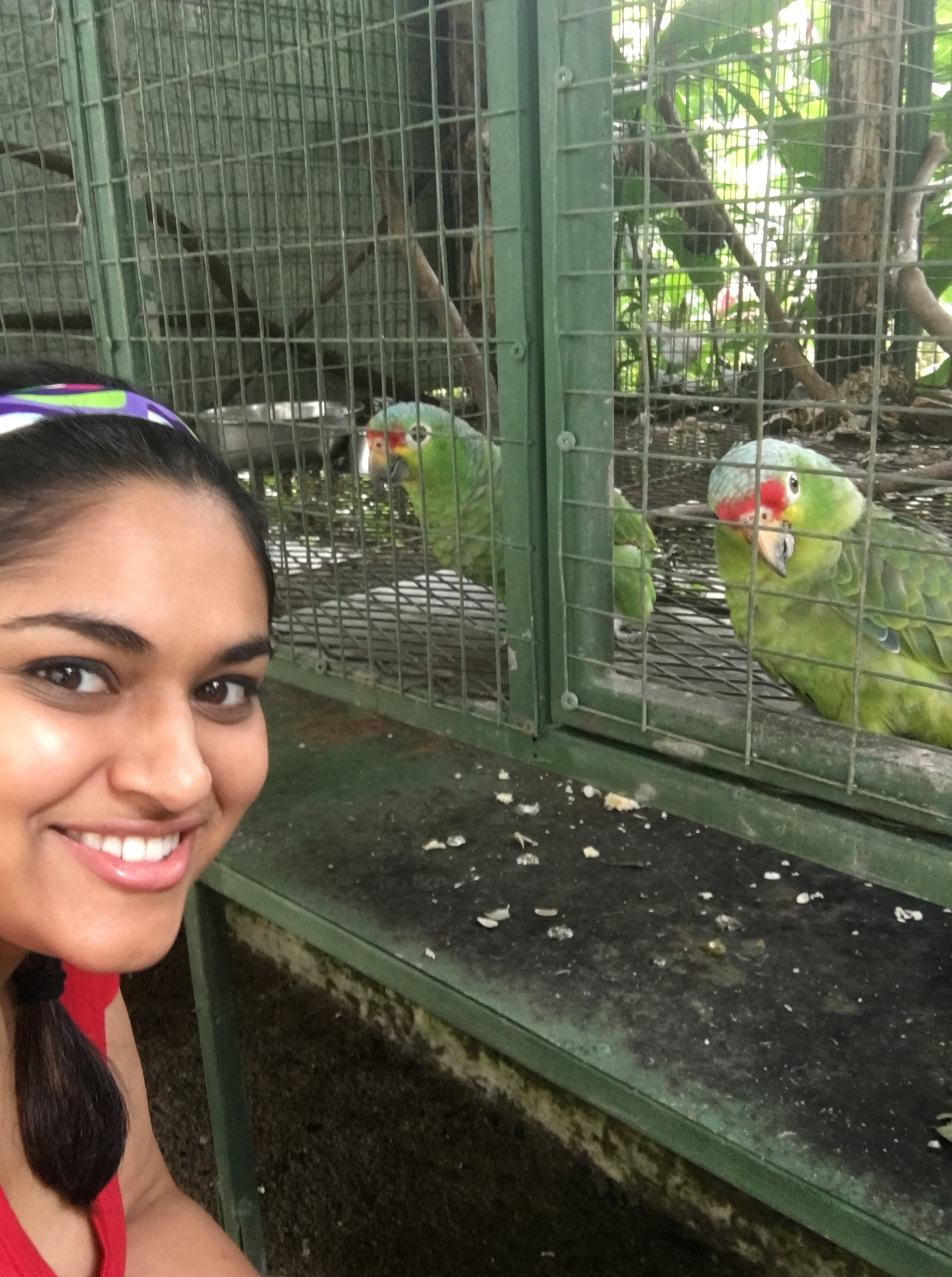
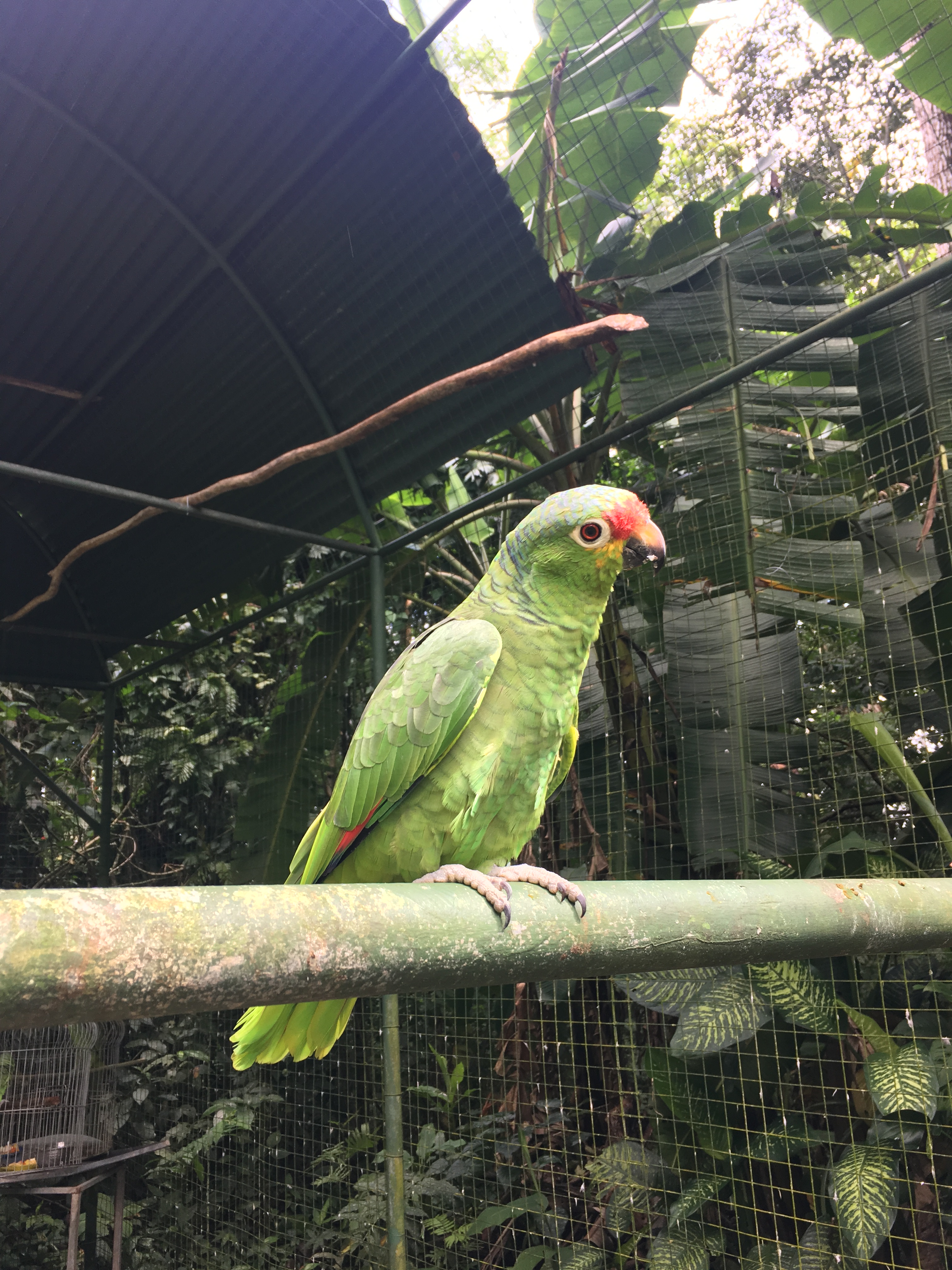
Perico and his Lora/Amazon lady friend

“But do you think people interacting with animals reduces stress?”

“But of course! Remember, we saw your resting heart rate drop twenty points when you volunteered at the center for one week? And why do you think the other volunteers come back every year? They feel peace among the animals; it’s addictive.”

It’s more than addictive. Around animals, we are our true selves, free from judgment we may experience with human companions. With animals, we can reap the benefits of solitude without the gut-wrenching feeling of loneliness. Animals communicate with energy, not words, thus freeing our souls from heartache when it is too hard to speak or think clearly – when emotions take over and we are at our most vulnerable.  

As I continued to prepare for my trial, I rushed home after work each day to my Papaya. As she snuggled at the nape of my neck, preening my hair, I fully understood that there was someone on this planet who loved me, no matter the outcome of this trial. At the moment she felt the stress release from my body, Papaya somersaulted away into a series of silly acrobatics that left me laughing uncontrollably. Papaya helped me to bond with the victim in my case; as it so happened, she too was an animal lover. Sharing Papaya with her allowed her to become comfortable with me, and in turn, made her more confident with the thought of testifying. It was because of Papaya’s influence that I eventually developed that confidence as well. 

I took a deep breath. “I got this,” I said to myself. And I did. 

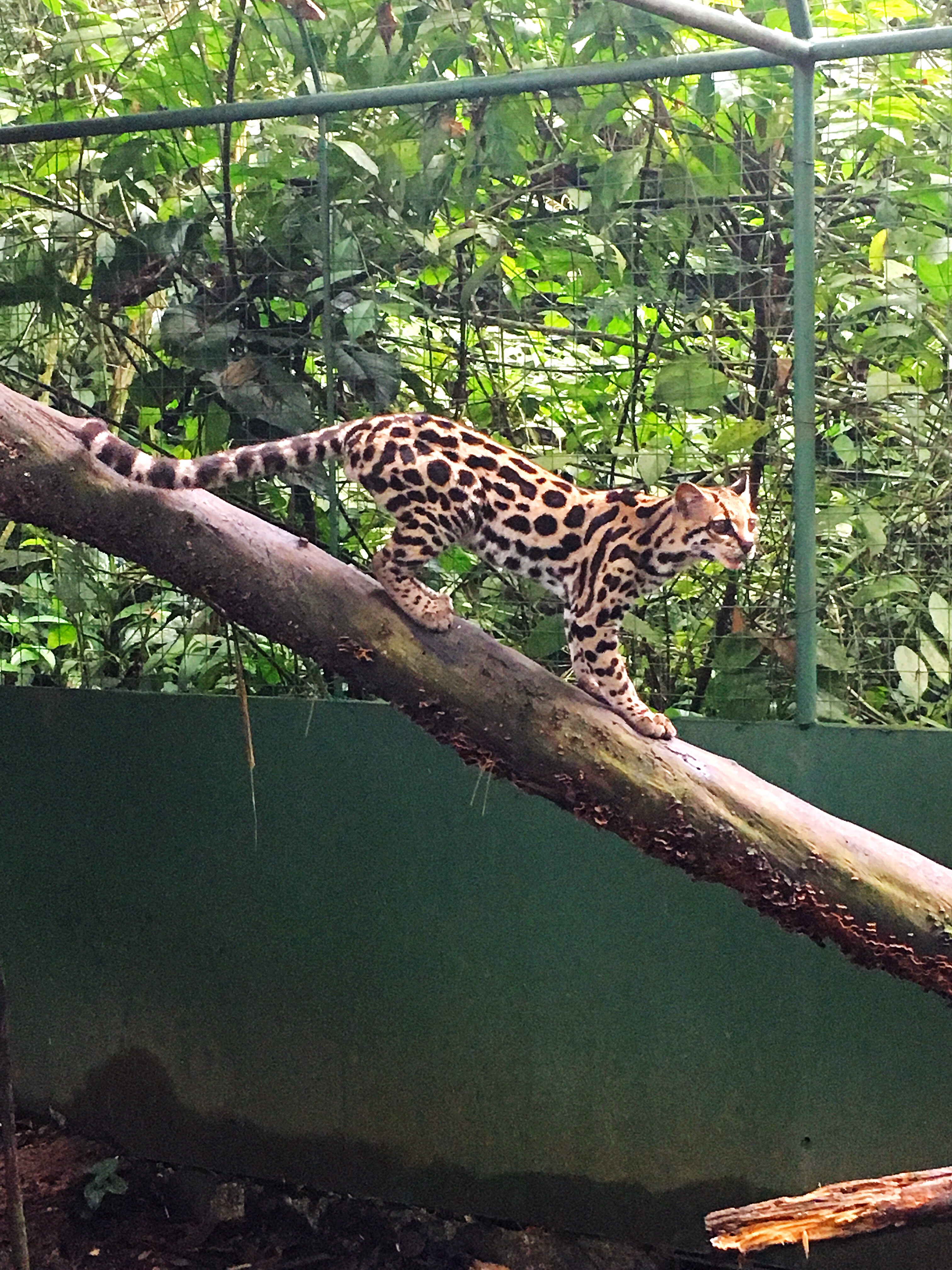
“The Prehistoric Monster” in all her glory
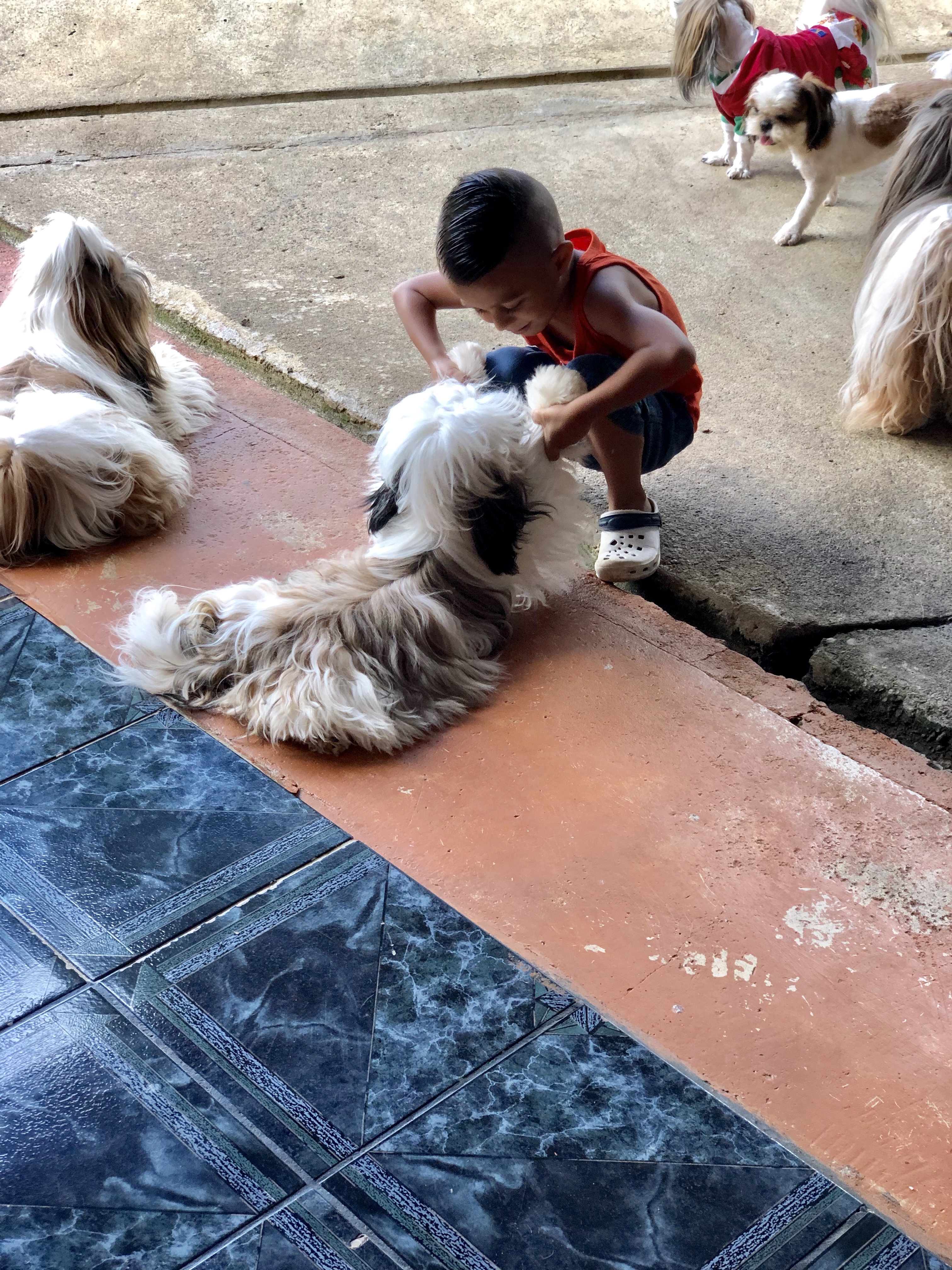
Dereck enjoying the innumerable Shih Tzus
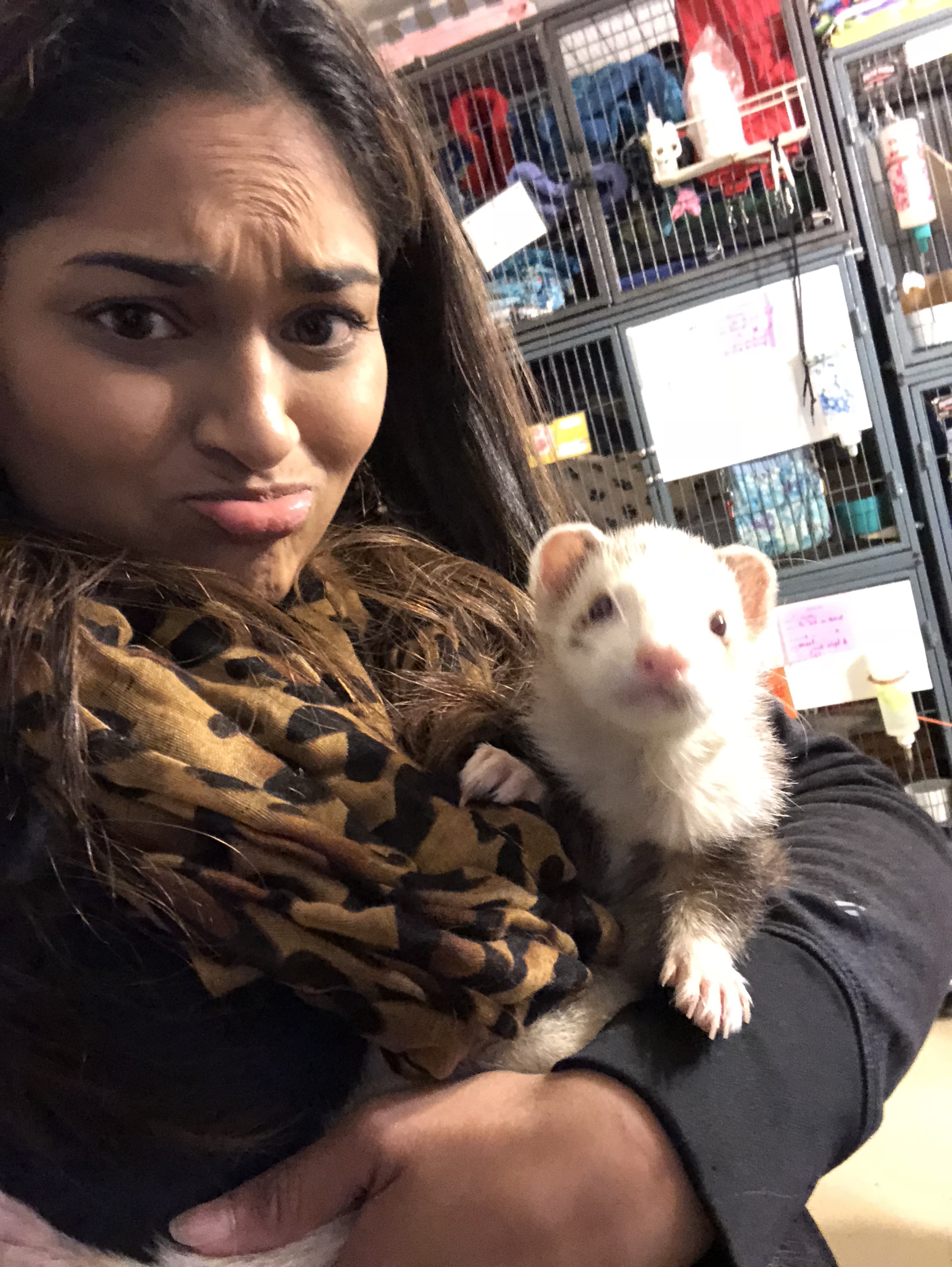
Feathered or furry, they all seem to bring us comfort in the same way 🙂

I Never Said Goodbye

I never said goodbye. 

Tears streamed down my face as I sat alone in Juan-Santamaria Airport, Costa Rica. Nearby, a young child stood akimbo, staring at my emotional outburst. He tugged at his mother’s skirt, pointing in my direction.  That’s ok, I thought. People’s perceptions were irrelevant. In that moment, all I could think about was how I never said goodbye to the person who had changed my life forever…

I flicked through the photos on my phone from the wildlife center where I had been volunteering. I would likely never see or speak to him again, yet I remained determined to etch the essence of his being into my memory during these last minutes in his country.

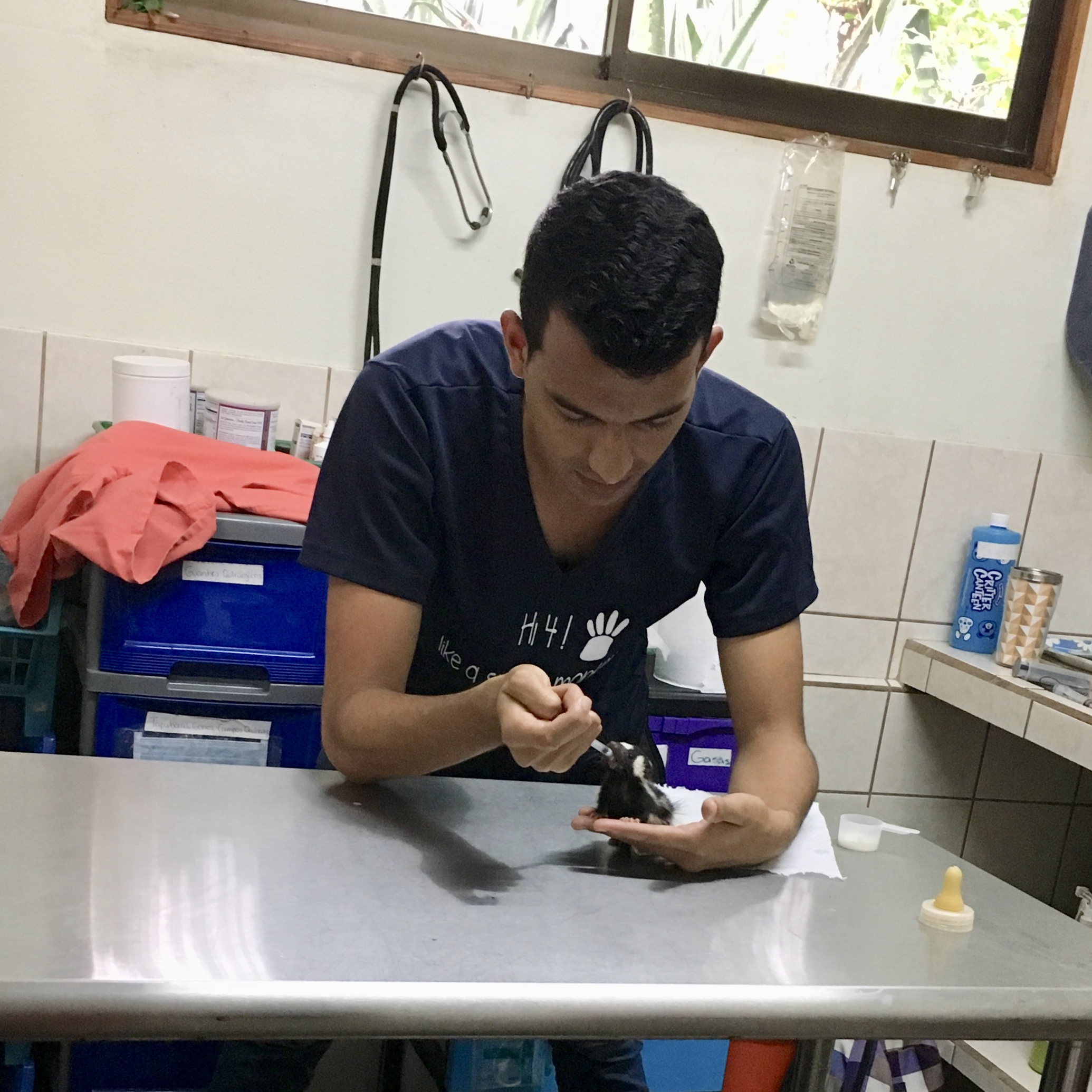
I peered at a photo of him feeding Memphis, the baby skunk, and smiled through my tears. That was when Adriana had introduced us. “This is Josué,” she had said. “You will work together on behavioral enrichment for the animals.” We were both timid but beamed at each other in excitement.

Josué feeding baby Memphis

Over the following days, I learned that Josué was an exceptionally gifted and intelligent veterinary student. I learned this passively, of course, as he was the very definition of the word “humility.” After working primarily with attorneys, Josué’s nature was refreshing. I always eagerly tried to prolong our conversations.

His rapport with the animals was so similar to the connection I shared with my own parrots. It touched me when we bonded over this during our coffee breaks. To him, these animals were not just creatures of the jungle — they were individuals with souls. Each one was unique, each one deserved respect, and in turn, his relationship with each of them was awe-inspiring. 

I sat in the airport, recounting his thoughtful questions and genuine compliments. His kindness and love extended beyond the animals, to me.  He appreciated the things about me that I most love about myself… the things I felt no one ever recognized.  

He did not judge me for being a hard worker; unlike others, he never alienated me by labeling me a “nerd” or telling me “to relax.” Instead, we worked on projects together, and in doing so, he overcame my shyness and learned that I strive to fill my life with silliness.  He saw the unique passion with which I love and care for my family, friends, and animals – always trying to be the glue that holds everyone together.  He gently asked questions about my feelings that illuminated how sacrifices and struggles of my past influence my present.  Most importantly, he was the first person (besides me) who I felt did not define me with a particular label.  To Josué, I was an attorney, a writer, a parrot expert, and a scientist all at once… I was still becoming me, and in his eyes, I could become anything. 

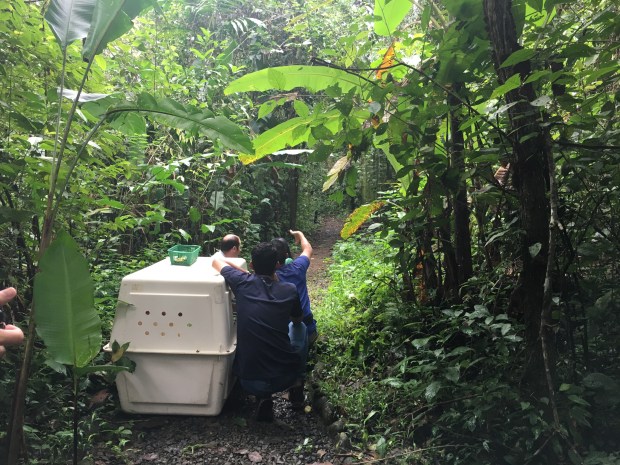
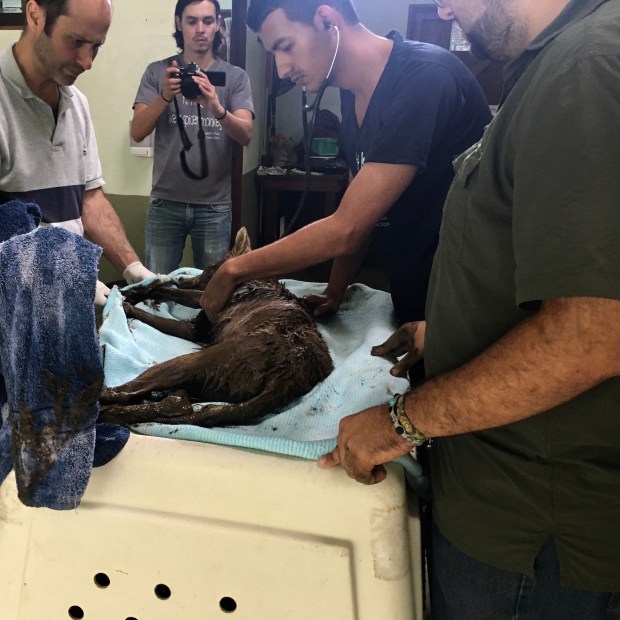
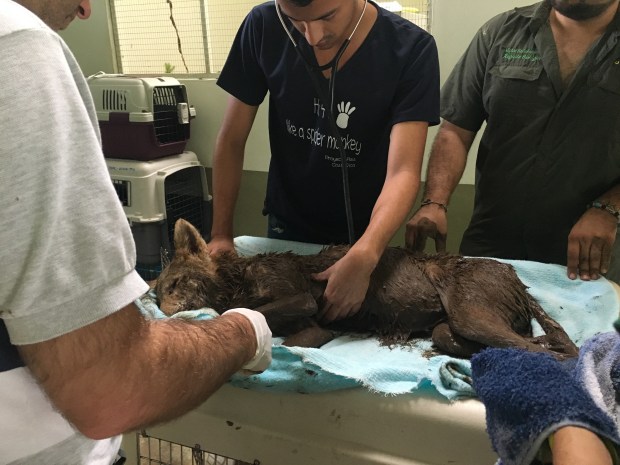
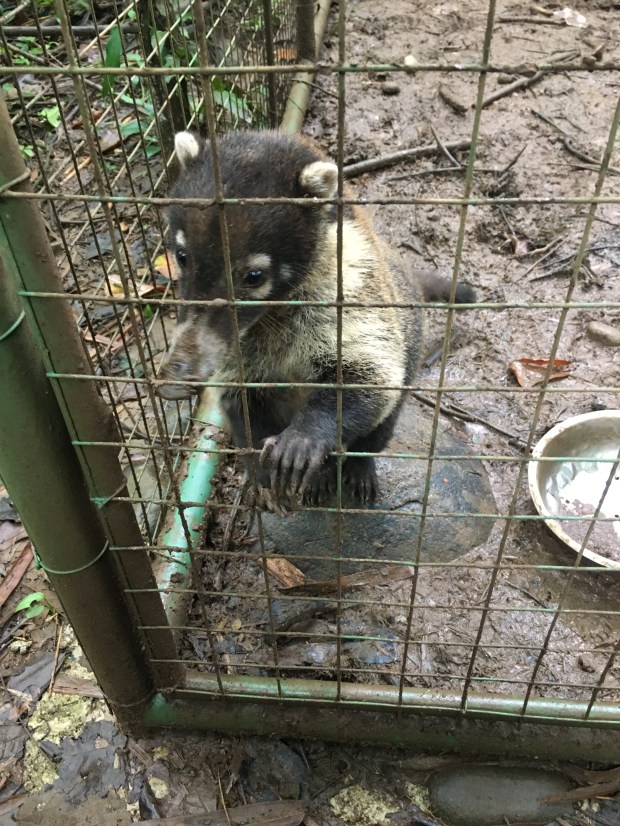
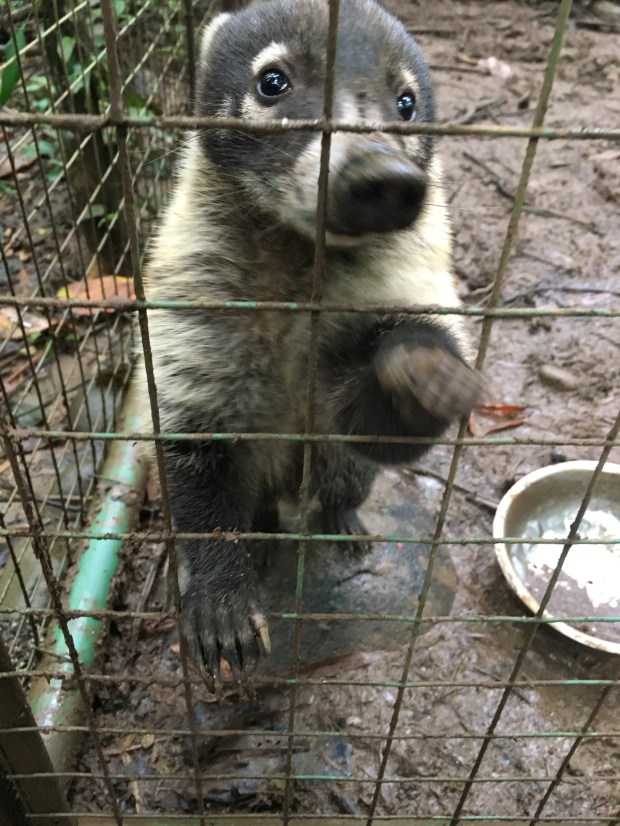
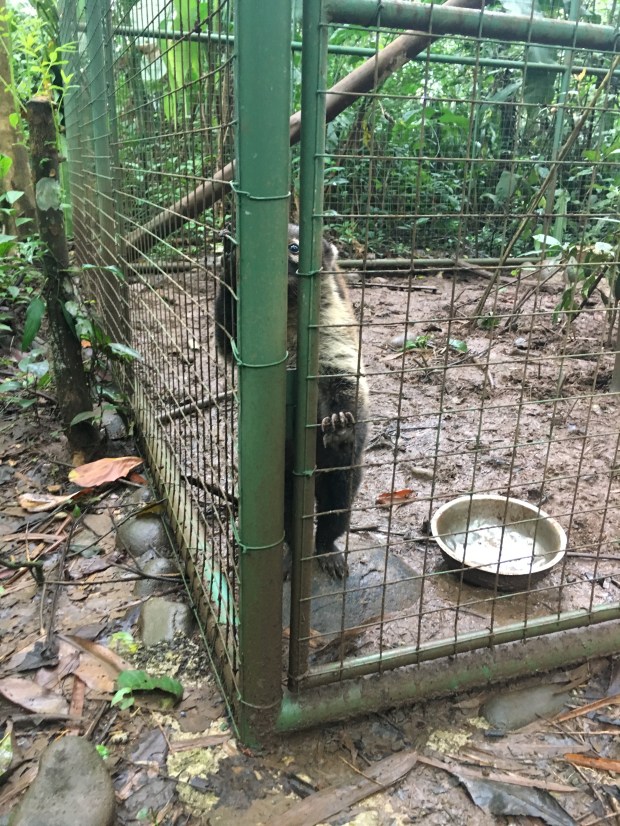
My last day volunteering, Josué arranged for me to join his team that would release a coyote back into the wild.  It was a privilege to be included in this experience, and I sensed he realized how meaningful it would be to me.  Unfortunately, the coyote’s tranquilizers started wearing off sooner than anticipated; I was fifteen minutes away, feeding the pizotes housed at the other edge of the center’s property.  Josué had to leave and complete the release without me… and I never had the chance to thank him or say goodbye.

I was stirred out of my reflective reverie at the airport by my phone, chiming in my hand.  I glanced down, and my heart lifted.  It was a message from Josué.

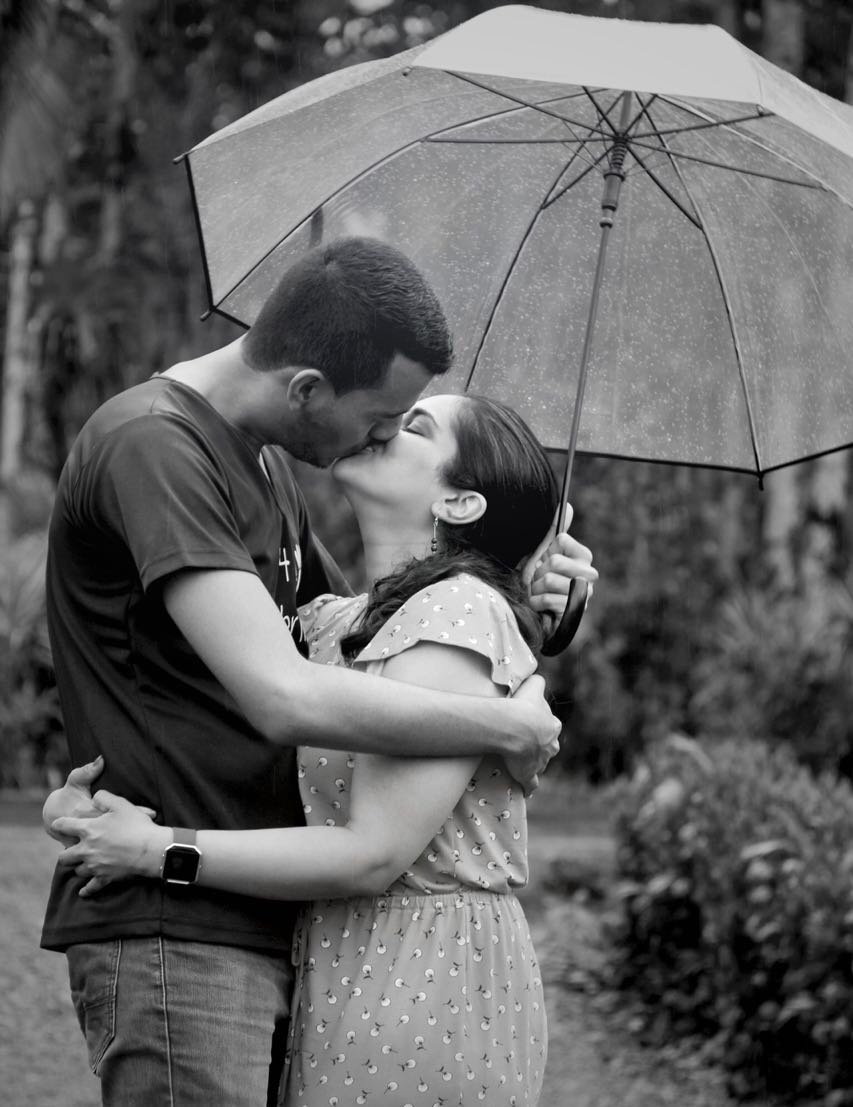
It is a year later now. We still have not said goodbye.  

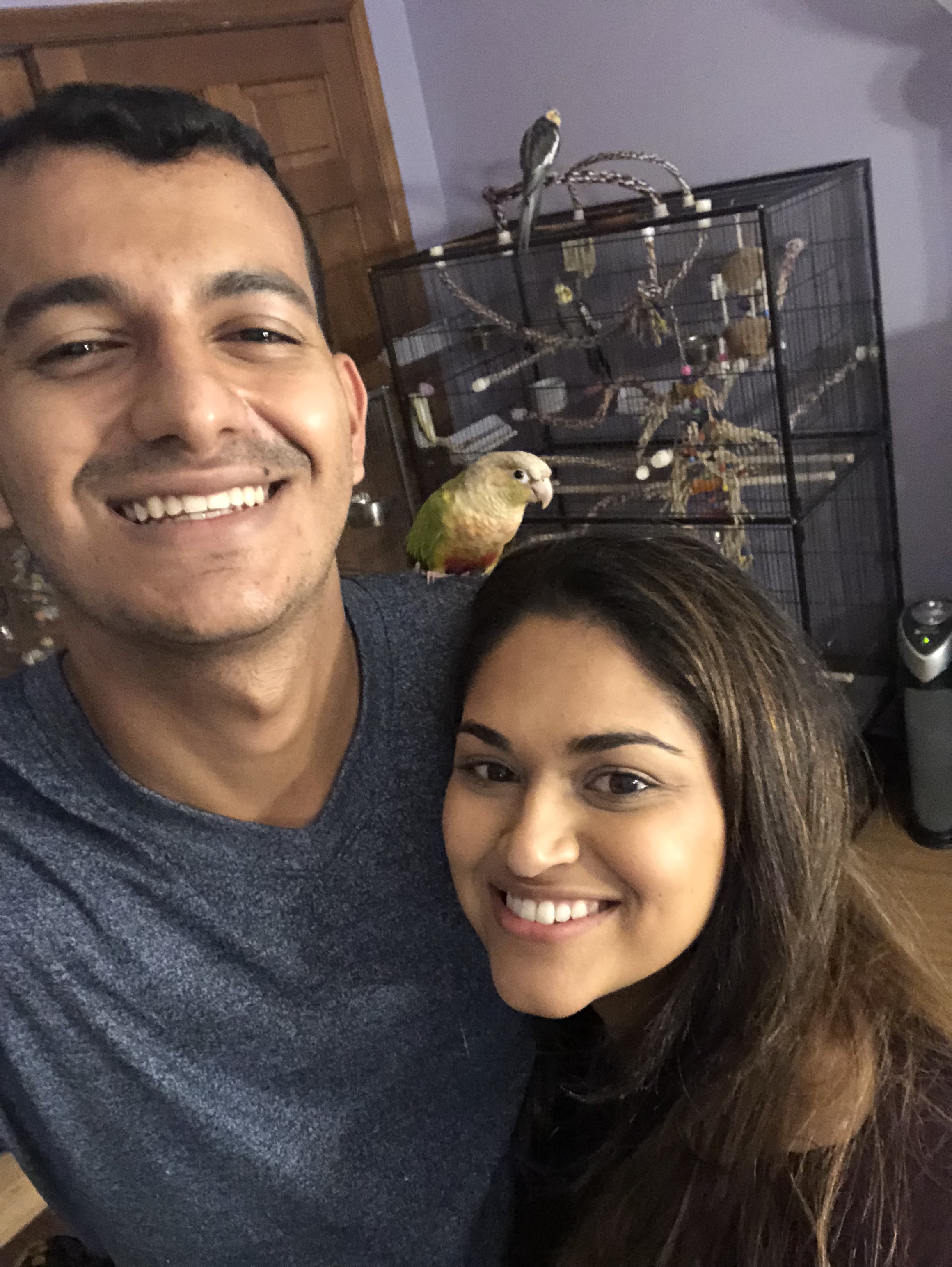
Finding each other again ❤